Graphic Organizer for Lesson:
GC.06
Describe limited government within the Constitution, including: • Checks and balances • Popular sovereignty • Civilian control of the military • Rule of law • Federalism • Separation of powers • Judicial review P
What am I learning today?
The methods our Founding Fathers put in place to limit our nation’s government.
Why am I learning this?
We need to know the ways we protect ourselves from having a national government that is too powerful for its people.
How will I know I learned this?
Understanding the different processes in place to keep our government in check.
Teaching Six Big Ideas in the Constitution
Checks and Balances
https://www.history.com/topics/us-government/checks-and-balances
Popular sovereignty
https://www.thoughtco.com/popular-sovereignty-105422
Civilian control of the military
Rule of law
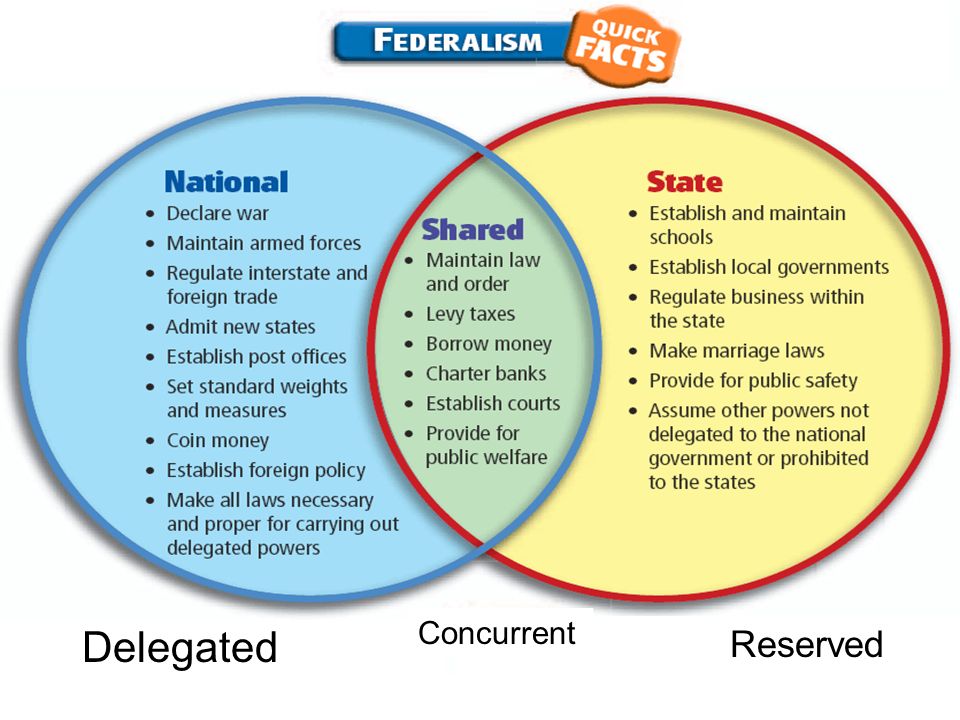
Federalism (Layer Cake or Marble Cake?)
Reading:
Federalism and How It Works
Separation of Powers (not to be confused with Checks and Balances)
Judicial review (Marbury v Madison)
Reading
Judicial Review
GC.06
Describe limited government within the Constitution, including: • Checks and balances • Popular sovereignty • Civilian control of the military • Rule of law • Federalism • Separation of powers • Judicial review P
What am I learning today?
The methods our Founding Fathers put in place to limit our nation’s government.
Why am I learning this?
We need to know the ways we protect ourselves from having a national government that is too powerful for its people.
How will I know I learned this?
Understanding the different processes in place to keep our government in check.
Graphic Organizer for Lesson: