US Government – Lesson 19 – GC19 and GC20
GC.19 Analyze Article III of the Constitution as it relates to judicial power, including the length of terms and the jurisdiction of the U.S. Supreme Court. P C.20 Explain the

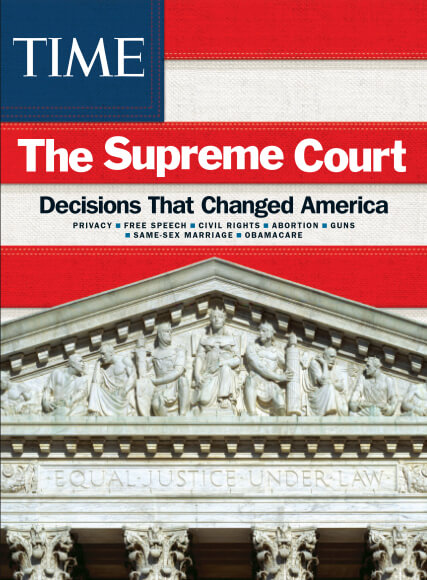
GC.21 Explain the process of judicial review established by Marbury v. Madison. H, P, T GC.22 Describe the Supreme Court’s role in determining the constitutionality of laws and acts of
GC.23 Evaluate the Supreme Court’s interpretations of the freedoms articulated in the 1st Amendment, including: • Schenck v. United States • New York Times v. United States • Engel v.
GC.24 Explain the 2nd Amendment, and evaluate its various interpretations. P, T GC.25 Evaluate the Supreme Court’s interpretations of freedoms in the 4th through 8th Amendments, including: • Mapp v.
Guided Notes Bellwork/Group Work With your neighbor, identify your current knowledge of the Civil Rights Movement. Ask each other these questions: Our Standard GC.26Evaluate the Supreme Court’s interpretations of the
Bellwork- Group Work Take out a piece of paper. We are drawing a chart today. Turn the page to landscape mode (length-wise). At the bottom, write 0,10,20,30,40,50,60,70,80,90,100. These #’s will
Bellwork – Vocabulary can be Group Work – On a piece of paper write down the following terms and as we discuss them write down their meaning Now each person
Citizen Participation Overview: Students will examine the responsibilities and opportunities of a citizen of the U.S. Standard Number Content Standard Content Strand GC.31 Describe what should be reasonably expected from
GC.10 Analyze Article I and the 17th Amendment of the Constitution as they relate to the legislative branch, including: eligibility for office, roles, length of terms, and election to office